
The Sacred Garden
Reverence. Presence. Interconnection. Beauty. Devotion.
The sacred garden is a place where the ordinary becomes extraordinary through the simple act of paying attention. A flower unfurls, sunlight moves across the earth, and the smallest living things reveal the immensity of existence. Here, we are invited to cultivate not only the land but our capacity for wonder, intimacy, and connection with something greater than ourselves. The sacred is not necessarily somewhere we must travel to find. Sometimes it is already growing beneath our feet.
The Symbol
Across spiritual traditions, gardens have represented paradise, creation, fertility, and communion with the divine. From the Garden of Eden to the gardens of Persian poetry and Islamic mysticism, the garden offers an image of life cultivated in relationship with the sacred.
As an archetype, the sacred garden represents the meeting place of nature and spirit, where tending, observing, and participating in the living world become acts of devotion. Poets like Rumi and Mary Oliver use the image of the garden to explore the deep connection between the human soul and the natural world.
The Story
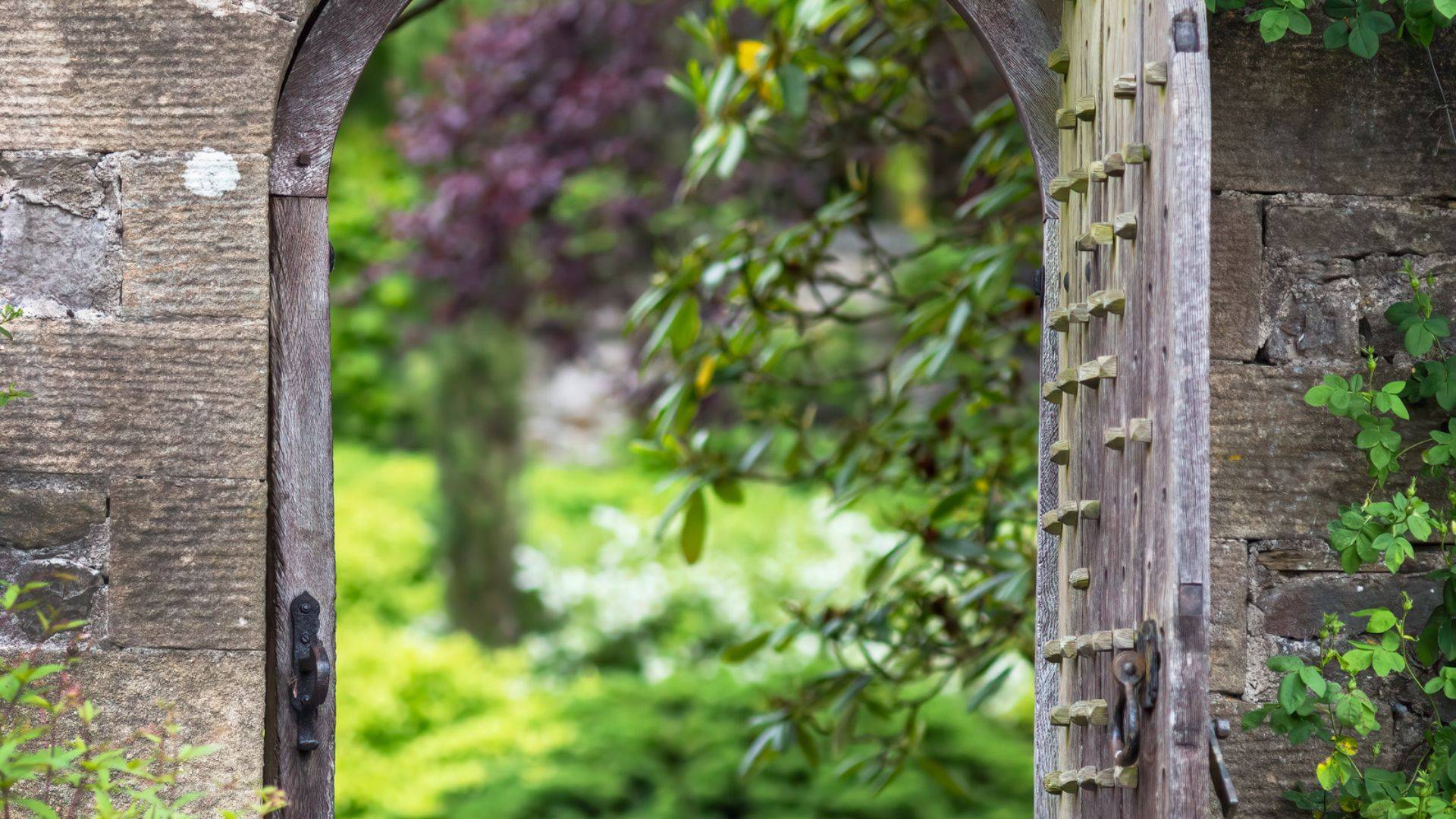
In Frances Hodgson Burnett's The Secret Garden, a neglected walled garden becomes a catalyst for transformation. As Mary Lennox and her companions restore the garden, they also experience profound changes in their own lives.
Through an archetypal lens, the garden becomes a reflection of the soul's soil. In mystical poetry, Rumi often evokes the garden as a place of divine love, awakening, and the blossoming of the soul. In Mary Oliver's poetry, wild landscapes, flowers, birds, and ordinary encounters with nature become invitations to attention and gratitude. The sacred garden represents a shift in perception: the discovery that the world is not merely a collection of objects to use or understand, but a living reality with which we participate. All life is sacred, we simply become present enough to recognize it.
The garden does not bloom through force. It responds to attention, nourishment, patience, and the changing seasons.
The Soma
Stroll the Garden
Spend time tending a plant, walking through a garden, or simply observing something growing. *If you live in Central Oregon, I recommend the Belknap garden across the bridge, or the Peterson Rock Garden.
Notice what thrives with care and what needs more space, nourishment, or rest.
Tend your inner garden. Choose one small act of cultivation this week: nourish a neglected interest, establish a restorative ritual, or create space for something that brings you alive.
.................
An Inquiry
Where in my life do I experience a sense of wonder or sacred connection?
Where am I forcing growth instead of allowing it to unfold?
What boundaries would help protect what is precious to me?
What would flourishing look and feel like in this season of my life?
Deeper Exploration
-
Mythology: Explore the myth of Persephone and the relationship between descent, seasonal change, and returning life.
Depth psychology: Read/listen to the romantasy book, A Court of Thorns & Roses- reflecting on what the garden settings suggests about the characters.
Personal practice: Plant something or tend to something growing. Give thanks to plants for their many medicines and deep wisdom.